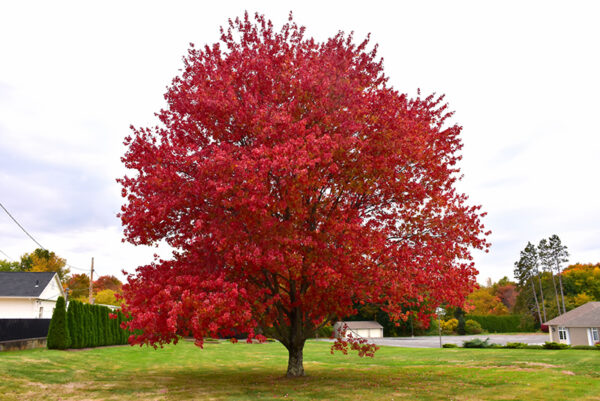
Red Maple Seedling – Acer rubrum
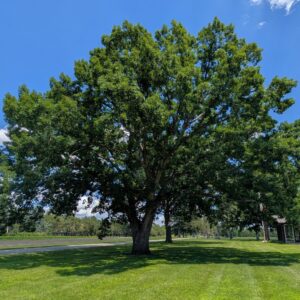
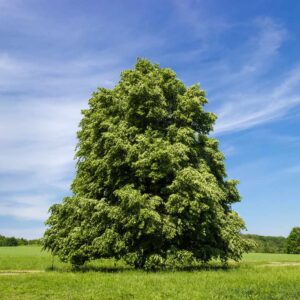
The red maple (Acer rubrum) is one of the most common and adaptable deciduous trees in North America, reaching a mature height of 40 to 90 feet. It is namesake for the red color present in its features throughout the year: buds in winter, flowers and seeds in spring, and vibrant foliage in autumn.
Key Features:
-
Scientific Name: Acer rubrum
-
Height at Maturity: 40-80 feet (15-24 meters)
-
Spread: 40-50 feet (12-15 meters)
-
Growth Rate: Fast
-
Soil Preference: Adaptable to moist, well-drained soils, including clay and loam
-
Sunlight: Full sun to partial shade
-
Hardiness Zones: 3-9
Key Physical Characteristics
- Leaves: Simple, opposite leaves roughly 2 to 5 inches long with 3 to 5 pointed lobes. The margins are coarsely toothed, and the undersides are often a distinctive silvery-white.
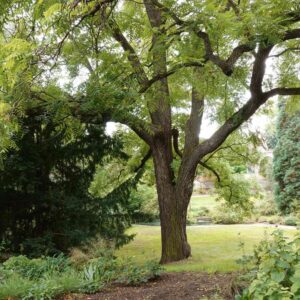
- Bark: Smooth and light gray on young trees, becoming dark gray, rough, and shaggy with flaky ridges as it matures.
- Flowers & Fruit: Produces small, red or pink flower clusters in early spring before leaves emerge. The fruit consists of U-shaped winged seeds (samaras) that are typically red or reddish-brown and ripen in late spring.
- Wood: Commercially known as “soft maple,” the wood is heavy and close-grained but relatively weak compared to hard maples like the sugar maple.
Growth & Habitat
- Adaptability: Often called “swamp maple” because of its high tolerance for wet soils, it also thrives in dry upland areas. It is hardy from zones 3 to 9.
- Growth Rate: Considered a fast-growing tree, it typically adds 1 to 2 feet of height per year.
- Lifespan: Relatively short-lived for a tree, usually reaching 80 to 100 years, though rare specimens can live up to 200 years.
Uses & Wildlife Value
- Landscaping: Highly popular as an ornamental shade tree due to its brilliant fall color and symmetrical rounded crown.
- Wildlife: Seeds and buds are eaten by squirrels and birds, while deer and rabbits browse the tender shoots and leaves.
- Maple Syrup: Can be tapped for syrup; however, its sap has a lower sugar content than sugar maple, and its early budding season leads to a much shorter tapping window.