Sugar Maple (Acer saccharum) — Growth Habits
Sugar maple is a slow- to moderate-growing, long-lived hardwood that is an important component of mature forests in eastern and central North America. It is particularly well adapted to fertile, moist, well-drained forest soils and is highly valued for its longevity, timber quality, and excellent fall color.
- Growth rate: Slow to moderate, with growth generally strongest on deep, fertile soils with adequate moisture.
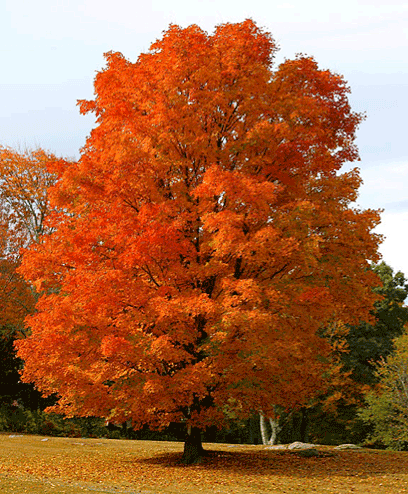
- Mature size: Commonly 60–80 feet tall, with exceptional trees reaching 100 feet or more.
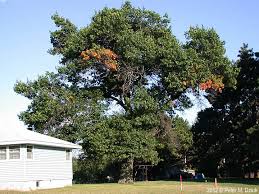
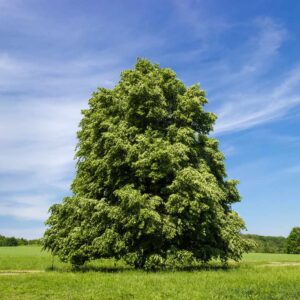
- Crown: Dense, rounded to oval crown with strong branching structure.
- Shade tolerance: Highly shade tolerant. Seedlings and saplings can survive and grow beneath a closed forest canopy for many years, making sugar maple particularly effective at establishing natural regeneration.
- Soils: Prefers deep, fertile, well-drained soils with consistent moisture. It performs poorly on extremely wet, compacted, or drought-prone sites.
- Root system: Generally develops a shallow to moderately deep, spreading root system. Fine roots are concentrated near the soil surface.
- Drought tolerance: Moderate to low compared with some other hardwoods. Extended drought and heat can reduce vigor, particularly on shallow or dry soils.
- Longevity: Long-lived, with mature trees commonly reaching 200–300 years under favorable conditions.
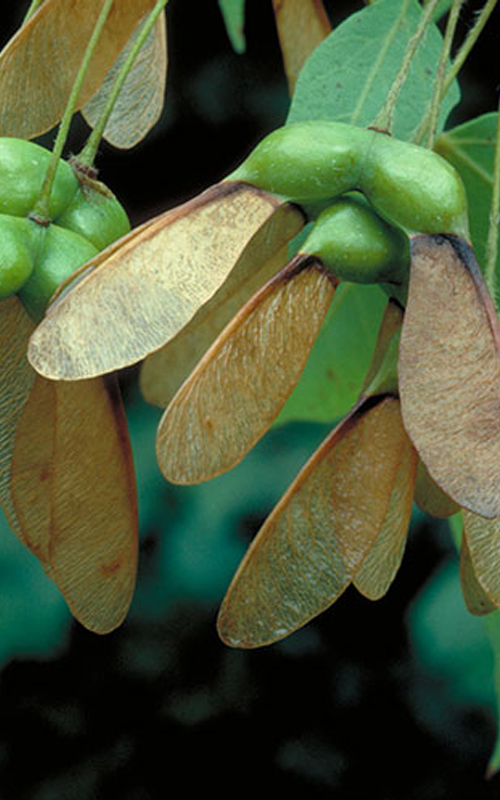
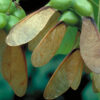
- Regeneration: Produces winged seeds (samaras) that mature in fall. Natural regeneration can be abundant in suitable forest conditions.
- Competition: Excellent ability to persist under competition because of its high shade tolerance. Once released into greater sunlight, established saplings can increase in diameter growth.
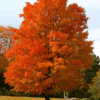
- Fall color: Typically produces outstanding yellow, orange, and red foliage in autumn.
- Timber: Produces high-quality, dense, strong wood used for flooring, furniture, cabinetry, and specialty products.