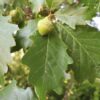
Swamp White Oak
The swamp white oak (Quercus bicolor) is a large, long-lived deciduous tree native to eastern and central North America. It is particularly well suited to moist, poorly drained soils, making it an excellent choice for low-lying areas, rain gardens, stream edges, and landscapes with adequate moisture.
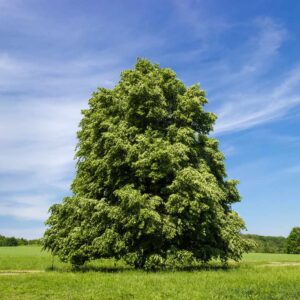
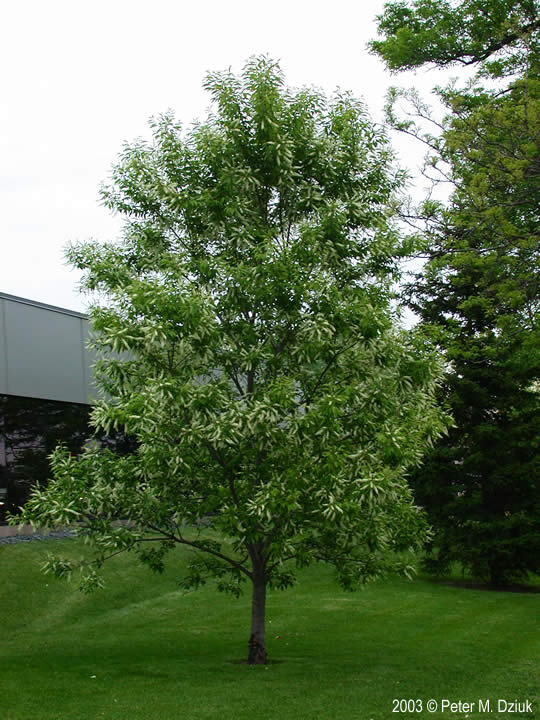
- Size: Typically 50–70 feet tall, with a broad, rounded crown; mature trees can become larger.
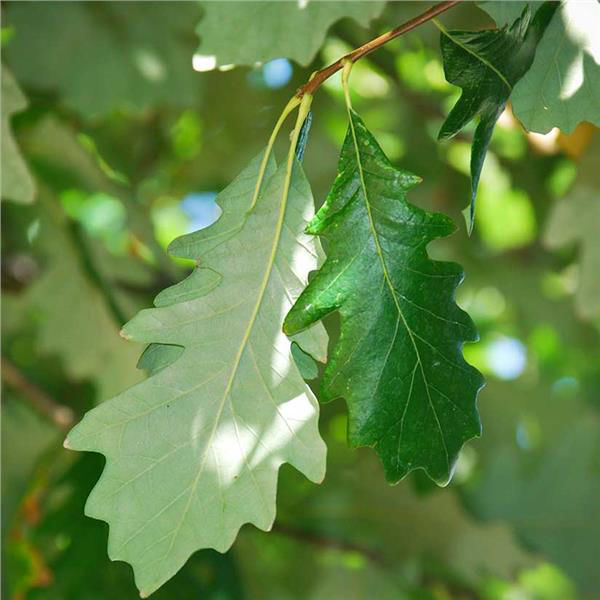
- Leaves: Large, glossy green leaves with rounded lobes. The undersides are noticeably pale or silvery, giving the tree an attractive two-toned appearance when the leaves move in the wind.
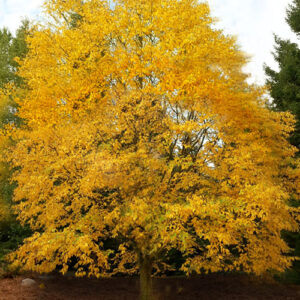
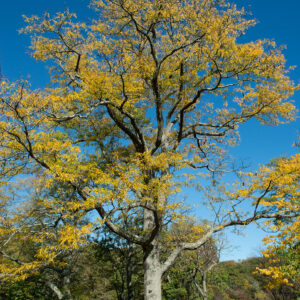
- Fall color: Usually yellow, yellow-brown, or occasionally reddish-purple.
- Bark: Gray-brown and increasingly rough and ridged with age.
- Flowers: Small, inconspicuous flowers called catkins appear in spring.
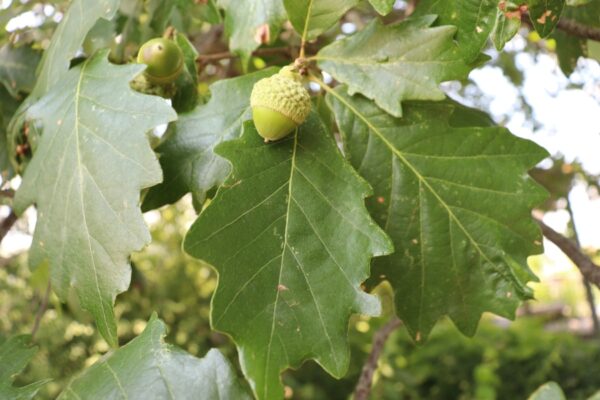
- Acorns: Produces oval acorns that mature in the fall and provide an important food source for wildlife.
- Growth: Moderate to relatively fast when planted in suitable conditions.
- Sun: Best in full sun to partial shade.
- Soil: Prefers moist, fertile, acidic to neutral soils but can tolerate periodically wet conditions.
- Wildlife value: Acorns are eaten by deer, squirrels, birds, and other wildlife, while the tree also provides valuable habitat.
- Landscape use: Well suited for large yards, parks, naturalized areas, wetland margins, and areas where a large shade tree is desired.
Overall: Swamp white oak is a strong, attractive native shade tree valued for its distinctive pale-backed foliage, wildlife benefits, longevity, and ability to thrive in wet or seasonally saturated soils.