American Basswood (Tilia americana)
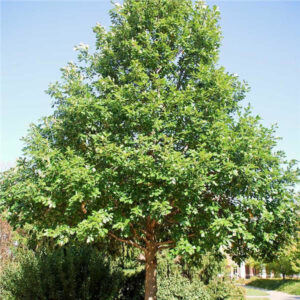
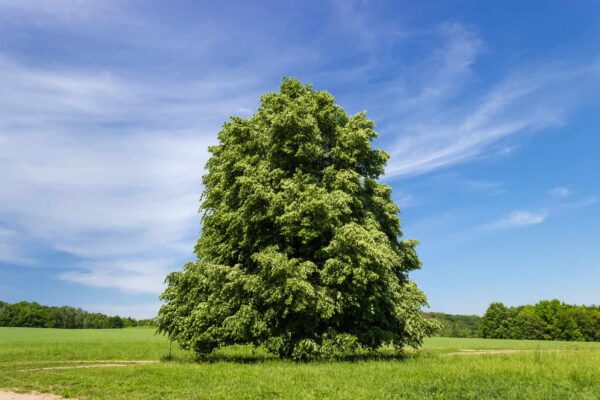
American basswood is a large, fast-growing, deciduous hardwood tree native to eastern and central North America. It is common in fertile upland forests, ravines, bottomlands, and moist wooded sites. It is valued for its rapid growth, attractive form, wildlife benefits, and importance as a native tree for pollinators.
- Size: Commonly 60–80 feet tall, with mature trees sometimes exceeding 100 feet.
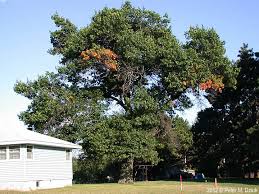
- Crown: Broad, rounded, and relatively dense at maturity.
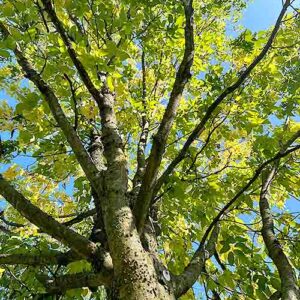
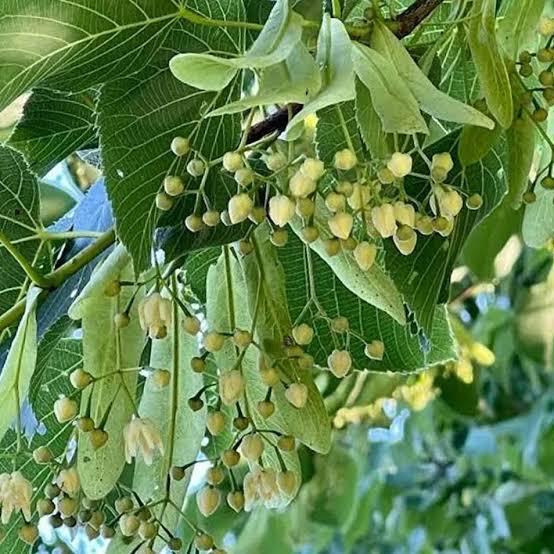
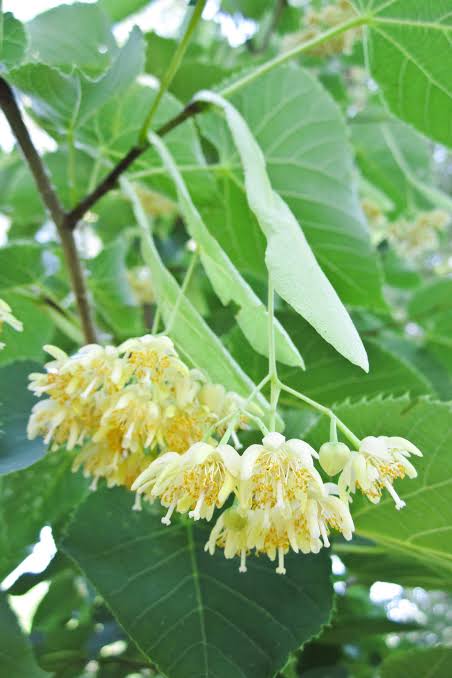
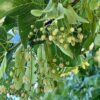
- Leaves: Large, heart-shaped, dark green leaves with finely toothed margins. Leaves turn pale yellow to yellow-green in fall.
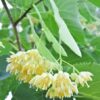
- Flowers: Small, fragrant, yellowish-white flowers appear in early to mid-summer and are highly attractive to bees and other pollinators.
- Fruit: Small, round nutlets attached to distinctive leaf-like bracts that help disperse the seeds by wind.
- Bark: Smooth and gray when young, becoming darker and furrowed with age.
- Growth: Fast-growing, especially on fertile, moist soils with adequate sunlight.
- Soils: Prefers deep, fertile, moist, well-drained soils but can tolerate a range of conditions.
- Shade tolerance: Moderately shade tolerant, allowing seedlings and saplings to persist beneath a forest canopy.
- Wildlife value: Seeds, buds, and foliage provide food for wildlife, while the summer flowers provide an important nectar source for bees.
- Wood: Light, soft, and easily worked, making it useful for carving, furniture components, boxes, and other specialty products.
- Landscape use: Suitable for large yards, parks, woodland plantings, and restoration projects where sufficient growing space is available.
For forest restoration or ash replacement
American basswood can be a good component of an ash stand replacement, particularly on moist, fertile upland or bottomland sites. Its relatively rapid growth allows it to occupy canopy gaps created by ash mortality, while its moderate shade tolerance gives it an advantage during the regeneration phase.
However, basswood can be highly palatable to deer, and browsing can limit regeneration in areas with high deer pressure. For stand replacement, it is generally best used as one species in a diverse mix rather than as a monoculture.