Shagbark Hickory (Carya ovata)
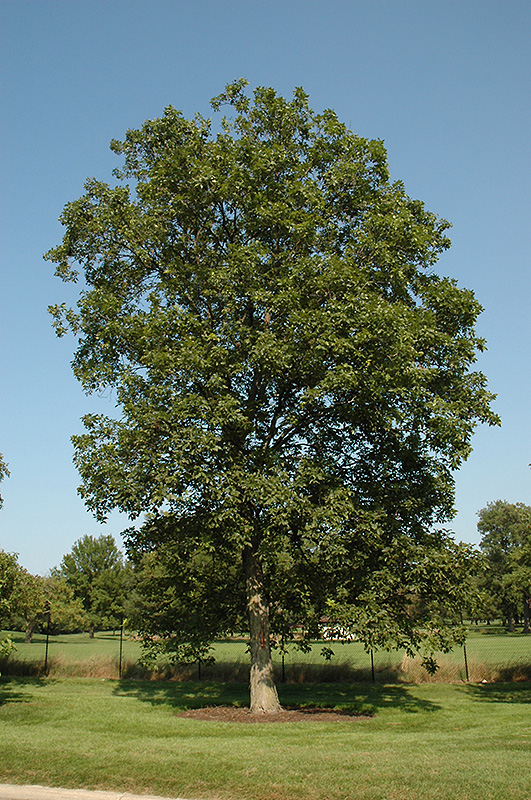
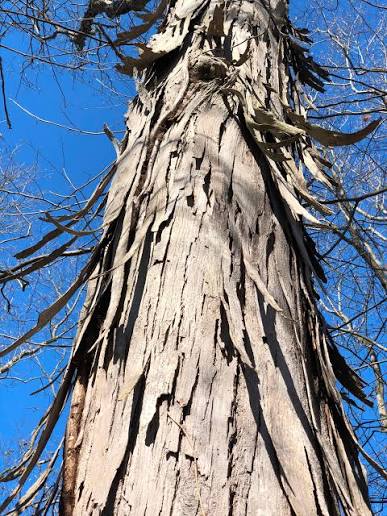
Shagbark hickory is a large, long-lived, native deciduous hardwood tree found throughout much of the eastern and central United States. It is especially recognizable by its distinctive bark, which develops long, loose strips that curl outward from the trunk. Shagbark hickory is valued for its strong, durable wood, edible nuts, wildlife benefits, and contribution to mature forest ecosystems.
- Size: Commonly 60–80 feet tall, with exceptional trees exceeding 100 feet.
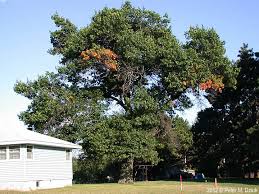
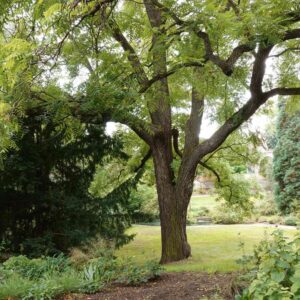
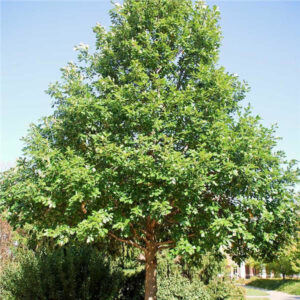
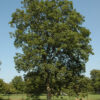
- Crown: Develops a tall, narrow to broad, irregular crown with strong structural branches.
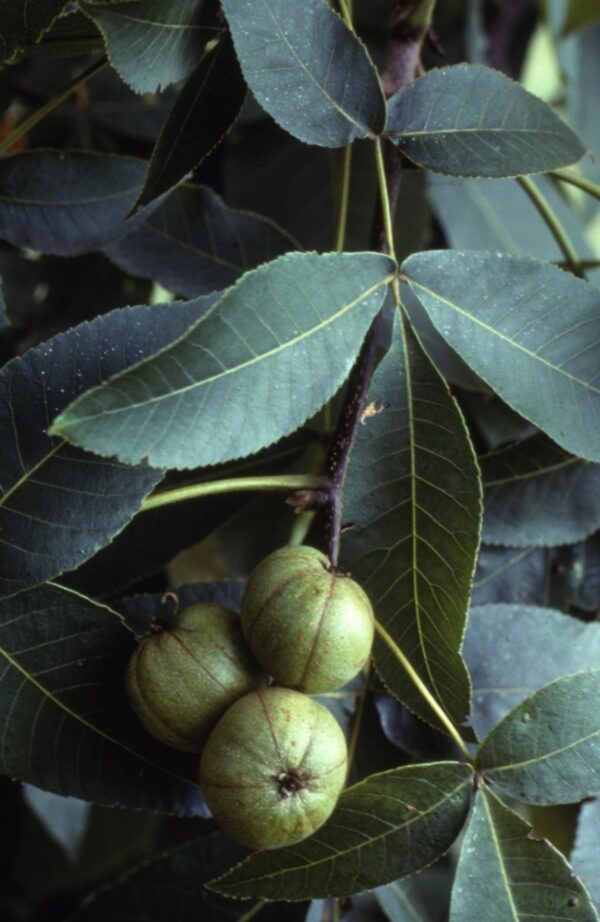
- Leaves: Compound leaves, typically 8–14 inches long, with five leaflets. The terminal leaflet is noticeably larger than the others.
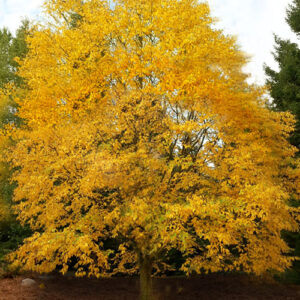
- Fall color: Generally yellow to golden-brown.
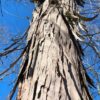
- Bark: Gray and highly distinctive, forming loose, shaggy strips that curl away from the trunk with age.
- Flowers: Small, inconspicuous flowers appear in spring, with separate male and female flowers on the same tree.
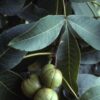
- Fruit: Produces large, sweet, edible hickory nuts enclosed in thick husks. Nuts are an important food source for wildlife.
- Growth: Moderate growth rate, generally slower than fast-growing species such as silver maple or basswood.
- Longevity: Very long-lived and capable of surviving for several hundred years under favorable conditions.
- Shade tolerance: Intermediate shade tolerance. Seedlings can persist in partial shade but require increased light to achieve strong growth.
- Soils: Prefers deep, fertile, well-drained soils but can tolerate a range of upland forest conditions.
- Drought tolerance: Relatively good once established because of its extensive root system.
- Wood: Extremely strong, hard, and shock-resistant; historically important for tool handles, sporting equipment, flooring, and other applications.
- Wildlife value: Nuts are consumed by squirrels, deer, turkey, bears, and numerous other wildlife species. Mature trees also provide cavities and habitat for wildlife.
For ash stand replacement
Shagbark hickory can be a valuable long-term component of an ash replacement stand, particularly on well-drained upland, terrace, and moderately moist forest sites. Its intermediate shade tolerance allows it to persist in developing stands, while its longevity and strong wood make it a good choice for establishing a durable future canopy.
Its primary limitation is relatively slow early growth compared with some competing hardwoods. Where rapid canopy replacement is the primary objective, shagbark hickory is best combined with faster-growing species such as basswood, swamp white oak, or other site-appropriate natives.