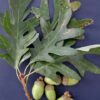
White Oak (Quercus alba) — Growth Habits
White oak is a slow- to moderate-growing, long-lived hardwood that develops into a large, broad-canopied tree. It is an important component of mature eastern and central U.S. forests and is well suited to long-term forest restoration and species-diversification efforts.
- Growth rate: Generally slow to moderate, especially during the early years. Growth improves substantially on deep, fertile soils with adequate moisture and sunlight.
- Mature size: Commonly 60–80 feet tall, with exceptional trees reaching more than 100 feet.
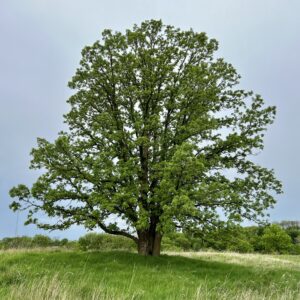
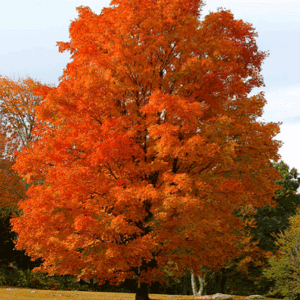
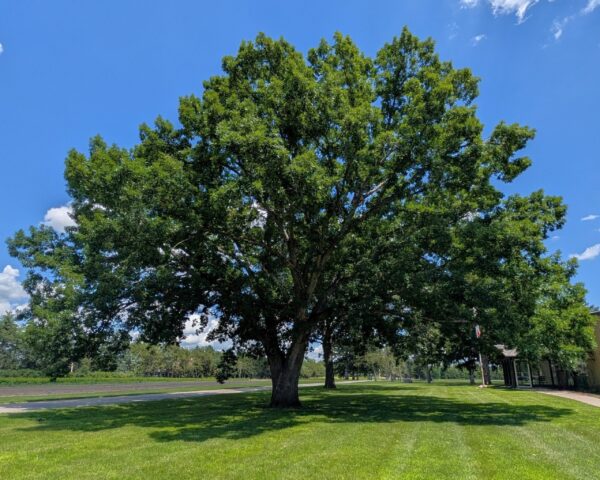
- Crown: Broad, rounded, and spreading, eventually producing a large canopy.
- Shade tolerance: Intermediate shade tolerance. Seedlings can survive for extended periods in the understory but require increased sunlight to transition into larger trees.
- Soils: Performs best on deep, well-drained, fertile soils but is adaptable to a variety of upland conditions.
- Drought tolerance: Moderate to good once established, although prolonged drought can reduce growth.
- Root system: Develops a strong, extensive root system, contributing to good stability and drought resistance.
- Regeneration: Produces acorns annually or periodically in heavy crops. Natural regeneration is often successful when adequate seed sources and suitable canopy openings are present.
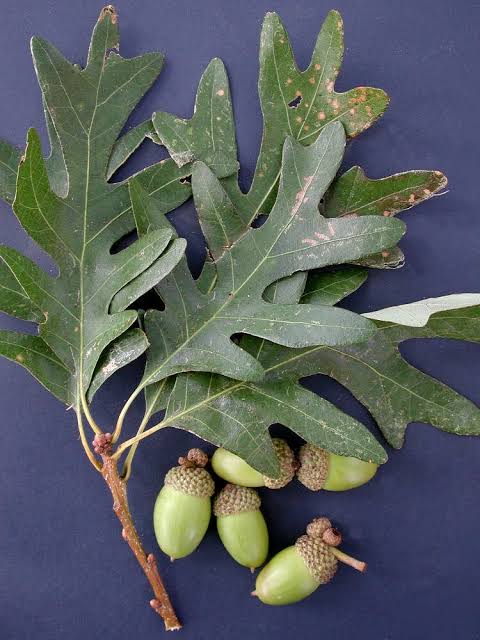
- Acorn production: Acorns mature in a single growing season and are highly valuable to wildlife.
- Longevity: Extremely long-lived, with mature trees commonly surviving 200–300+ years.
- Competition: Young white oak can persist beneath partial shade but may be outcompeted by faster-growing species if adequate growing space is not provided.
- Form: Typically develops a strong, straight trunk and broad crown when given adequate growing space.