Key Characteristics
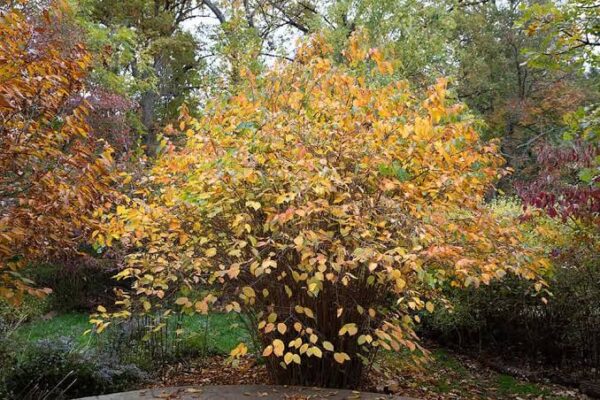
- Size: Grows roughly 8 to 15 feet tall with an equal or slightly wider spread, often forming dense thickets via underground rhizomes and suckers.
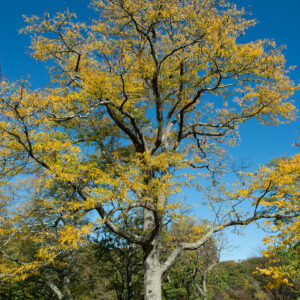
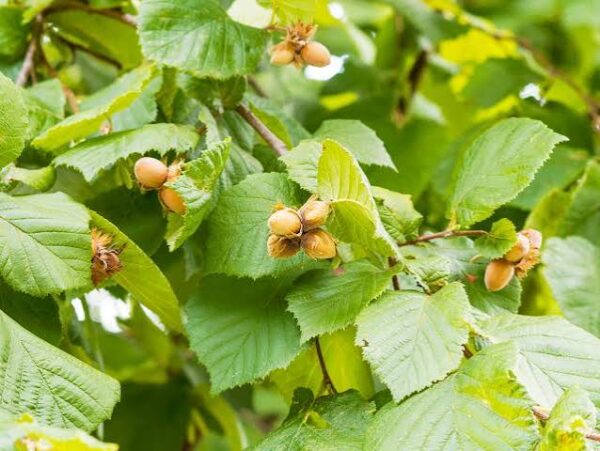
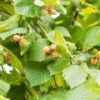
- Leaves: Rounded to oval with double-toothed (serrated) margins, turning vibrant shades of yellow, orange, copper, or red-purple in autumn.
- Flowers: Monoecious (separate male and female flowers on the same plant). In late winter to early spring, male plants/stems display long, dangling yellow catkins, while tiny red-tufted female flowers appear close to the twigs.
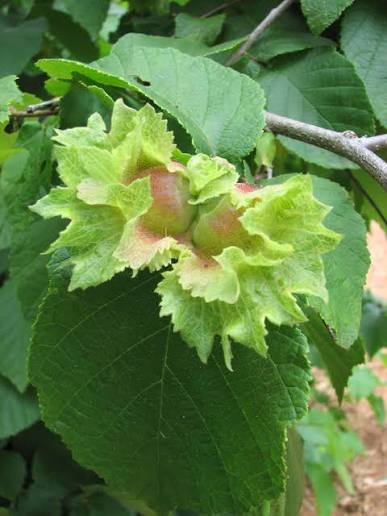
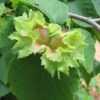
- Nuts: Produces small, sweet, edible hazelnuts encased in leafy, bristly husks that ripen from late August to October.
Growing Requirements & Care
- Hardiness Zones: USDA Zones 4 through 9.
- Sunlight: Thrives in full sun to partial shade (at least 4–6 hours of direct sunlight is best for heavy nut production).
- Soil: Adaptable to a wide range of soils, including sand, loam, and clay, preferring a slightly acidic to neutral pH (6.0–7.0) and moderate moisture, though established plants tolerate occasional drought.
- Pollination: It is wind-pollinated and not self-fertile; planting at least two or more shrubs (or a compatible hybrid) within close range is recommended for cross-pollination and a solid nut harvest.
- Disease Resistance: Unlike non-native European varieties, Corylus americana exhibits strong natural resistance to Eastern filbert blight.
Uses & Ecological Value
- Culinary: The kernels can be eaten raw, roasted, baked into goods, or ground into flour and nut butter.
- Wildlife & Habitat: Serves as a high-value mast source for squirrels, deer, wild turkeys, and songbirds, provides dense nesting cover, and acts as a larval host plant for over 100 species of moths and butterflies (such as the Io and Polyphemus moths).
- Landscaping: Frequently planted in naturalized borders, wildlife gardens, erosion-control slopes, or as privacy screens and informal hedgerows.