Paper Birch Seedling – Betula papyrifera
Key Characteristics
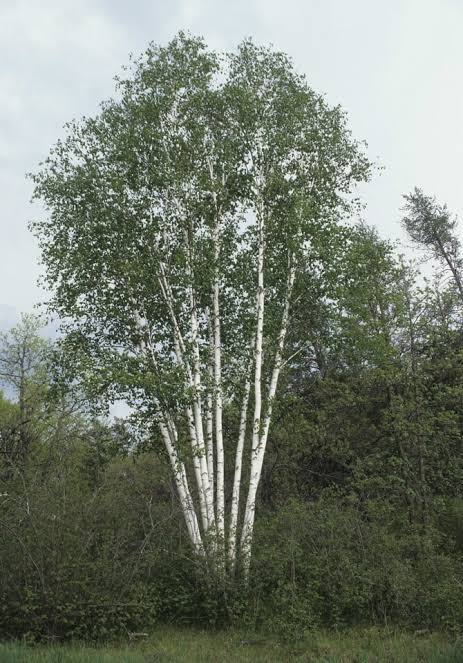
- Height & Spread: Typically grows 50 to 70 feet tall (sometimes reaching up to 80 feet) with a canopy spread of 25 to 50 feet.
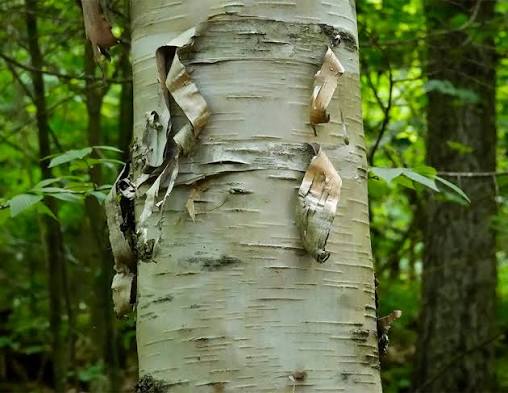
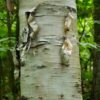
- Bark: Young trees feature a smooth, coppery-brown or dark reddish-brown bark. As the tree matures (around age 3), it turns a chalky, bright white and exfoliates horizontally in thin, paper-like sheets.
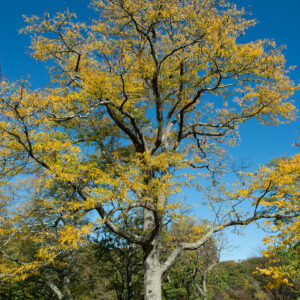
- Leaves: Simple, alternate, oval-to-triangular leaves with doubly serrated (toothed) edges that turn a brilliant yellow in the fall.
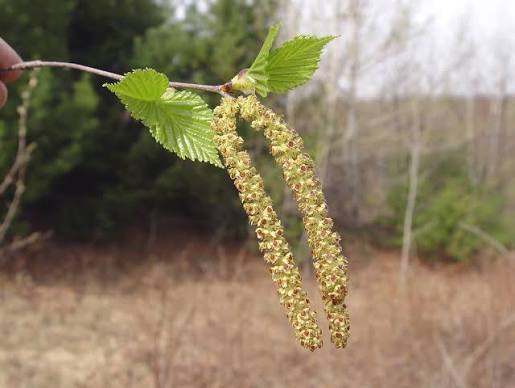
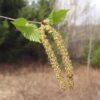
- Flowers & Fruit: Monoecious tree producing drooping, yellowish-brown male catkins and smaller green female catkins in early spring, which mature into small, winged seed nutlets by late summer.
- Hardiness Zones: Thrives best in USDA Zones 2 to 6, preferring cool northern summers and moist, well-drained, slightly acidic soils.
Ecology & Growth Habits
- Pioneer Species: Paper birch is a shade-intolerant pioneer tree. It is frequently one of the first species to recolonize land cleared by wildfires, windstorms, or logging, helping jumpstart forest regeneration.
- Wildlife Value:
- Serves as a vital winter browse for moose, white-tailed deer, and snowshoe hares.
- Seeds and catkins are eaten by songbirds, redpolls, siskins, and ruffed grouse.
- Acts as a larval host for butterflies and moths, including the Luna moth and Eastern Tiger Swallowtail.