Bitternut (Yellowbud!) Hickory (Carya cordiformis)
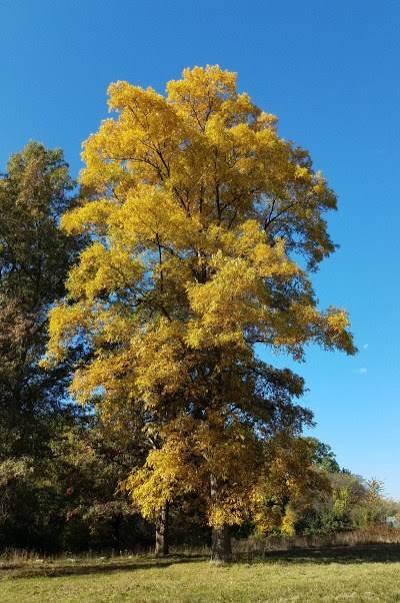
The bitternut hickory (Carya cordiformis)—also known as yellowbud hickory or swamp hickory—is a large, native deciduous tree belonging to the walnut and hickory family (Juglandaceae). It is one of the most widespread and fastest-growing of the hickory species.
Key Characteristics
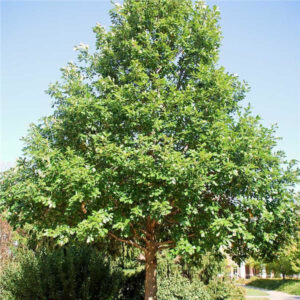
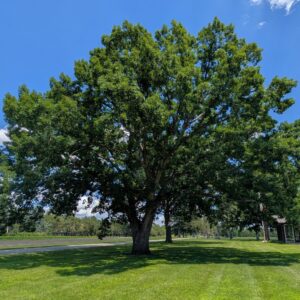
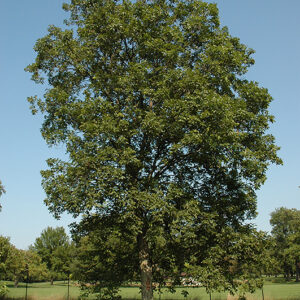
- Size: Grows 50 to 80+ feet tall (up to 100 feet in optimal conditions) with a spread of 30 to 50 feet.
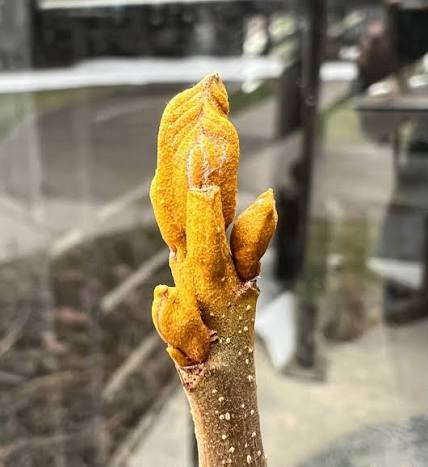
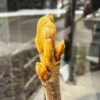
- Winter Buds: Its most famous identifying feature is the distinctive sulfur-yellow, naked (valvate) winter buds.
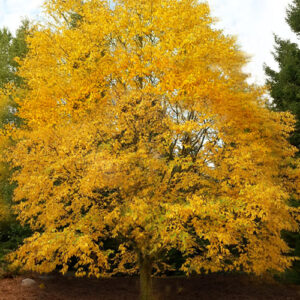
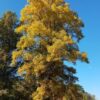
- Leaves: Pinnately compound leaves (6 to 12 inches long) typically featuring 5 to 9 narrow, dark green leaflets that turn a bright golden-yellow in the fall.
- Bark: Light to silvery-gray with tight, shallow, interlacing ridges that remain relatively smooth compared to other hickories.
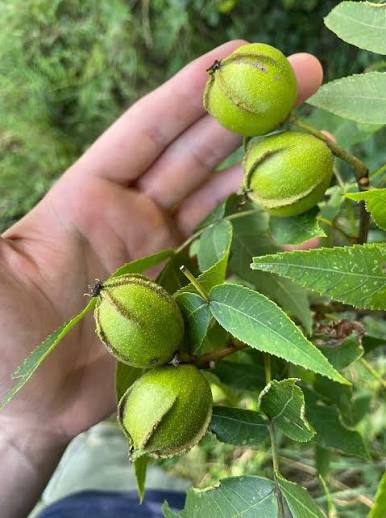
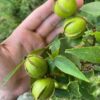
- Fruit (Nuts): Produces small, globe-shaped, four-winged nuts encased in a thin husk. As the name implies, the meat is extremely bitter and unpalatable to humans due to high tannin content, though it is consumed by select wildlife.
Habitat & Growing Conditions
- Native Range: Widespread across the eastern and central United States and southeastern Canada.
- Preferred Soil: Thrives in moist, rich bottomlands, along stream banks, and in swamps, though it can adapt to drier upland hillsides and various soil pH levels (Zones 4–9).
- Sunlight: Prefers full sun to partial shade.
Uses
- Wood: Its heavy, close-grained, and shock-resistant hardwood is traditionally used for tool handles, furniture, ladders, dowels, and athletic equipment. It is also widely used as firewood or for smoking meats.
- ECOLOGY & Landscaping: Acts as a larval host for various moths and butterflies (such as the hickory horned devil/regal moth) and serves as a tall shade tree for large parks and naturalized areas.